.png?width=193&height=27&name=ClickPost%20Logo%20(Blue).png)
.svg)
.svg)
.svg)
.svg)
.svg)
.svg)
.svg)
.svg)
.svg)


.svg)

.svg)
.svg)
.svg)
.svg)
.svg)


.svg)
.svg)
.webp?width=286&height=206&name=ROI%20Calculator%20(1).webp)
.svg)
.svg)
.webp?width=286&height=206&name=RTO%20Playbook%20(1).webp)
Best 10 Shopify Abandoned Cart Apps [2026]


Ready to ship smarter? Talk to our logistics experts.
Trusted by 600+ brands
In this blog
TL/DR summary
This guide covers ten Shopify apps that address abandoned carts through different lenses: SMS speed, WhatsApp conversations, email automation, web push notifications, and on-site prevention. Together, they reflect how recovery is evolving from single-channel reminders to integrated customer journeys.
Key takeaways
-
Use email, SMS, WhatsApp, and push notifications instead of relying on a single channel.
-
Use exit-intent and onsite prompts to prevent abandonment before it happens.
-
Treat WhatsApp as both a recovery and support channel.
-
Focus on timing and context, not just reminder frequency.
In 2026, abandoned cart recovery is less about chasing shoppers and more about meeting them where they already are, with clarity and intent.
Introduction
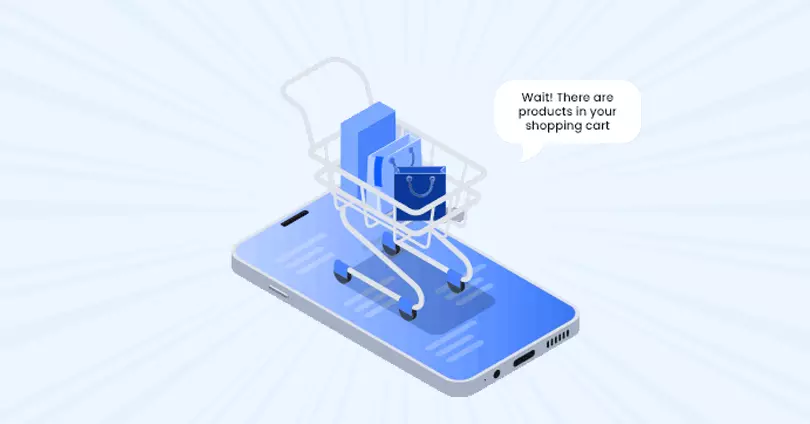
Cart abandonment is not a checkout glitch. It is a behavioural pattern. Shoppers compare prices, switch devices, pause decisions, or get distracted mid-flow. By 2026, brands that treat abandonment as lost revenue will fall behind. The smarter ones treat it as deferred intent. The right Abandon Cart Shopify Apps help brands capture that intent across email, SMS, WhatsApp, push notifications, and on-site prompts, using first-party data and timing rather than blunt discounts.
Key highlights
-
Email alone is no longer enough. High-performing brands combine email with SMS, WhatsApp, web push notifications, and on-site nudges.
-
Speed beats frequency. The first recovery message, sent at the right moment, often matters more than a long reminder sequence.
-
Checkout context matters. Recovery works better when pricing clarity, delivery timelines, and trust signals are surfaced early.
-
First-party data is the backbone. With cookies fading, recovery apps are leaning harder on Shopify-native data and consented channels.
-
Recovery and support are merging. WhatsApp and conversational flows now serve as both cart-recovery and customer-service touchpoints.
Top 10 Abandoned Cart Shopify Apps in 2026
These tools earn their place not because they send reminders, but because they understand timing, channel choice, and shopper psychology in a multi-device, low-patience environment.
|
App |
Core recovery strength |
91ÊÓƵ (starting) |
|
SMS-based cart recovery and bumps |
Free; $19/month |
|
|
Exit-intent and onsite prevention |
$49/month |
|
|
Multi-channel recovery suite |
Free; $29/month |
|
|
Email, SMS, WhatsApp automations |
Free; $16/month |
|
|
WhatsApp recovery with in-chat checkout |
Free to install |
|
|
Email + web push recovery |
Free; $8.99/month |
|
|
Conversational WhatsApp recovery |
Free (usage-based) |
|
|
AI-driven email recovery |
Free; $14.99/month |
|
|
WhatsApp API recovery + COD flows |
Free; $9.99/month |
|
|
Email + push recovery basics |
Free; $14.99/month |
1. SMSGo: Abandoned Cart Recovery
SMSGo is a focused SMS-first recovery app built to re-engage shoppers through timely text messages. It automates abandoned-cart reminders, order notifications, and post-purchase upsell flows, making it especially useful for brands seeking direct, high-open-rate communication with minimal setup.
Key features
-
Automated SMS reminders for abandoned carts and checkout
-
Discount-enabled recovery messages
-
SMS bump messages at checkout
-
Order notifications and post-purchase SMS flows
-
Custom sender IDs and short URLs
SMSGo is free to install with pay-per-SMS pricing, and a Premium plan at $19/month for two-way messaging and tracking integrations. It stands out in 2026 because SMS remains one of the fastest recovery channels when used selectively and tied closely to checkout behavior.
2. Wisepops
Wisepops focuses on onsite recovery before shoppers leave. It lets brands deploy , bars, embedded forms, and web push notifications that feel on-brand rather than intrusive. For high-traffic stores, it serves as both a preventive layer and a recovery tool.
Key features
-
Exit-intent and cart-based popups
-
Drag-and-drop editor with deep visual control
-
Advanced targeting rules (cart value, scroll depth, location)
-
A/B testing with revenue attribution
-
Web push notifications for anonymous visitors
91ÊÓƵ starts at $49/month based on pageviews. Wisepops earns its spot because, in 2026, stopping abandonment before it happens is often cheaper than recovering it later.
3. Amplified Email & Abandon Cart
Amplified combines email, SMS, popups, and persistent carts into a single recovery-focused platform. It is designed for brands that want broad channel coverage without stitching together multiple tools.
Key features
-
Automated abandoned cart and checkout emails
-
Persistent shopping cart across sessions
-
Email, SMS, and push campaigns from one dashboard
-
Audience segmentation for targeted messaging
-
On-site pop-ups for early capture
Amplified offers a Free plan, with paid tiers starting at $29/month based on contact volume. It stands out to brands that want a single recovery system that handles both prevention and follow-up.
4. Sendvio: Email Marketing & SMS
Sendvio positions itself as an all-in-one engagement suite that covers email, SMS, WhatsApp widgets, pop-ups, and reviews. Its recovery strength lies in ready-made automations that can be deployed quickly during high-volume sales periods.
Key features
-
Abandoned cart and checkout automations
-
Email and SMS campaigns with a focus on deliverability
-
WhatsApp chat button for real-time engagement
-
Product review widgets and carousels
-
Seasonal and multilingual templates
Sendvio is free to install, with paid plans starting at $16/month and scaling by usage. It stands out in 2026 for brands seeking recovery, credibility, and messaging under one roof without extensive configuration.
5. KwikEngage Cart Recovery + WA
KwikEngage is built around WhatsApp-first commerce. It allows shoppers to complete recovery flows directly inside WhatsApp, blurring the line between marketing, checkout, and support.
Key features
-
WhatsApp-based abandoned cart recovery
-
In-chat checkout completion
-
AI-powered retries to improve message delivery
-
Omnichannel CRM and unified inbox
-
AI chatbots for cart queries and order updates
KwikEngage is free to install, with usage-based charges. It earns a 2026 slot because WhatsApp is becoming a primary channel for recovery and support, especially in mobile-first markets.
6. UP Abandoned & Email Marketing
UP (Uppush) combines email recovery with web push notifications, giving brands access to shoppers even when no email or phone number is captured.
Key features
-
Abandoned cart and checkout recovery
-
Web push notifications for anonymous users
-
Back-in-stock and price-drop alerts
-
Multi-language automation
-
Shopify Flow integration
UP offers a Free plan and a Pro plan starting at $8.99/month. It stands out because web push adds a low-cost recovery layer that many stores still underuse.
7. B: WhatsApp Chat, Abandon Cart
B by BiteSpeed focuses on WhatsApp-driven recovery, marketing, and support. It is designed for brands that want abandoned cart reminders to feel conversational rather than promotional.
Key features
-
WhatsApp abandoned cart recovery
-
Segmented broadcast campaigns
-
Chatbots for recovery and upsell
-
Omnichannel inbox for support and sales
-
COD-to-prepaid conversion flows
The app offers a Free plan, with paid upgrades based on message volume. It stands out in 2026 because conversational recovery often outperforms static reminders in high-consideration purchases.
8. Wiz AI Abandoned Cart Recovery
Wiz AI focuses on automated email recovery using AI-generated flows and templates. It is built for speed, allowing brands to deploy recovery campaigns with minimal manual setup.
Key features
-
One-click abandoned cart, and checkout email flows
-
AI-generated email content and layouts
-
Popups and welcome series
-
Analytics for opens, clicks, and recovery
-
Shopify-native integration
Wiz AI offers a Free plan, with paid tiers starting at $14.99/month. It stands out for smaller teams that want structured recovery without deep email expertise.
9. CK: Abandoned Cart on WhatsApp
CK is a WhatsApp API-based recovery tool that focuses on automation, COD verification, and order communication. It is beneficial for brands operating at scale across regions.
Key features
-
Automated WhatsApp cart recovery messages
-
Order confirmation and shipping updates
-
COD verification workflows
-
Review collection via WhatsApp
-
Multi-language message support
CK offers a Free Forever plan, with paid tiers starting at $9.99/month, plus message costs. It earns its place because WhatsApp recovery, paired with operational messaging, improves both conversion and trust.
10. Cartly
Cartly is a classic abandoned cart recovery tool built around email and web push notifications. It focuses on simplicity and fast setup, making it accessible for smaller stores.
Key features
-
Automated abandoned cart email recovery
-
Web push notifications
-
Spin-to-win and pop-up capture tools
-
Win-back and order follow-up emails
-
Central dashboard for recovery tracking
Cartly offers a Free plan and paid plans starting at $14.99/month. It remains relevant in 2026 because straightforward recovery still works when timing and messaging are right.
ClickPost turn returns into exchanges and repeat purchases, not losses
Automated returns & Exchanges with a self-serve portal, tracking, policies & analytics.
streamlines return and exchange management with automation, refunds, and a self-serve portal. Customers get real-time tracking, automated updates, and quick refunds. Merchants manage all return and exchange requests in one dashboard with customizable policies, eligibility rules, and reasons. Detailed return analytics and reporting give insights to cut costs and boost repurchases. Setup is fast, with everything ready in under 30 minutes.
-
Automated self-serve portal for easy returns, exchanges & refunds.
-
Dashboard to manage, track, and resolve return & exchange requests.
-
Process refunds to via gift cards or original payment methods.
-
Customizable return and exchange policies, rules, and eligibility.
-
Analytics & reporting with insights on return and Exchange trends.
ClickPost Returns Plus offers a free plan for up to 100 monthly returns. Paid plans start at $49/month. You can also integrate our returns management product with your ecommerce website. The total reviews on the ClickPost tool at Shopify are a testament to the ease it offers to merchants. The app support provided also makes it one of the best in the app categories for returns, exchanges, and refunds.
Conclusion: Recovery is now part of the buying journey
Abandoned carts will never disappear completely. What changes in 2026 is how brands respond. The strongest recovery stacks do not rely on constant discounts. They rely on relevance, timing, and channel choice. Pick tools that respect shopper intent, surface clarity at the right moment, and close the loop between marketing, checkout, and post-purchase experience.
The Logistics Automation Platform for E-commerce




We use cookies to keep the site working, understand usage, and improve your experience. Learn more
Always active for essential site performance and security.
Enables anonymous usage analysis to refine our services.
Used to present relevant promotions and advertising.