.png?width=193&height=27&name=ClickPost%20Logo%20(Blue).png)
.svg)
.svg)
.svg)
.svg)
.svg)
.svg)
.svg)
.svg)
.svg)


.svg)

.svg)
.svg)
.svg)
.svg)
.svg)


.svg)
.svg)
.webp?width=286&height=206&name=ROI%20Calculator%20(1).webp)
.svg)
.svg)
.webp?width=286&height=206&name=RTO%20Playbook%20(1).webp)
Shipping to Singapore from the USA: Your complete business guide


Ready to ship smarter? Talk to our logistics experts.
Trusted by 600+ brands
In this blog
Why US Businesses Are Shipping to Singapore in 2025
In recent years, Singapore has emerged as a hotbed for eCommerce and global trade, driven by its digitally savvy population and world-class infrastructure. With an increasing number of Singaporean customers turning to American brands, the demand for fast, cost-effective international logistics has surged.
For US-based businesses looking to tap into this growing market, understanding how to efficiently ship to Singapore is critical. The right strategies can help minimize shipping costs, navigate customs duties, and ensure timely delivery. All these can significantly affect your bottom line.
Key highlights:
-
Over 35% of Singapore’s eCommerce market involves cross-border shopping.
-
USPS, UPS, FedEx, and DHL offer tailored services for shipping from the USA to Singapore.
-
Taxes apply on goods above SGD 400, including a 9% Goods and Services Tax.
-
Choosing the right shipping method can save costs and reduce transit times.
-
Tracking number visibility and customs compliance are essential for smooth shipments.
What Are the Best Shipping Methods from the USA to Singapore?
Shipping from the USA to Singapore can be accomplished through a range of methods, depending on your business priorities — be it speed, price, or shipment size.
1. Express courier services: Fastest way to ship to Singapore
Ideal for businesses shipping small, high-value, or time-sensitive packages.
-
DHL Express: Fastest delivery (2-4 business days), strong international support, but with higher price points.
-
FedEx International: Offers various delivery options with tracking and customs support.
-
UPS Worldwide Services: Known for real-time tracking and efficient customs clearance.
-
USPS International Services: Great for affordable shipping with flat-rate boxes and broad access.
2. Air freight from the US to Singapore: Delivery times and costs
-
Suitable for medium to large shipments.
-
Delivery speeds range from 3-7 business days.
-
Requires freight forwarder coordination.
3. Ocean freight from USA to Singapore: Cheapest option for bulk orders
-
Cost-effective for heavy or bulk shipments.
-
Transit times range from 20 to 30 days.
-
Options include Full Container Load (FCL) and Less than Container Load (LCL).
Step-by-Step Guide: How to Ship a Package from the USA to Singapore
Understanding the shipping process can prevent shipping delays and reduce costs. Here is a practical step-by-step guide:
Step-by-step guide
-
Step 1: Select your shipping method: Choose between express couriers, air freight, or ocean freight based on your package’s weight, urgency, and budget.
-
Step 2: Check shipping restrictions: Review prohibited items, including tobacco products, petroleum products, and controlled goods. Avoid fines or seizure at customs.
-
Step 3: Prepare your documents: Essential documents include the commercial invoice, packing list, customs permit, and shipping labels. Certain goods may require additional paperwork.
-
Step 4: Calculate duties and taxes: Duties apply to certain goods like motor vehicles, and a services tax (GST) of 9% is charged on items over SGD 400.
-
Step 5: Package securely: Ensure your package is labeled correctly and protected from potential transit damage. Insurance is recommended.
-
Step 6: Book your shipment: Choose a carrier based on shipping rates, delivery time, and support for tracking and customs clearance.
-
Step 7: Track your shipment: Use the tracking number provided by the courier to monitor delivery progress and manage customer expectations.
How Much Does It Cost to Ship to Singapore from the US in 2025?
The price and delivery speeds vary depending on the courier, package weight, and service level. Below is an updated comparison table based on a 2 lb shipment in June 2025:
| Courier | Service | Price (USD) | Delivery Time |
| USPS | First-Class Package International | $24.15 |
9-17 business days
|
| USPS | Priority Mail International | $57.10 |
6-10 business days
|
| USPS | Priority Mail Express International | $74.95 |
3-5 business days
|
| UPS | Worldwide Expedited | $42.35 |
2-3 business days
|
| UPS | Worldwide Saver | $46.50 |
3-4 business days
|
| FedEx | International Economy | $44.90 |
4-6 business days
|
| FedEx | International Priority | $52.75 |
2-3 business days
|
| DHL | Worldwide Express | $40.25 |
2-3 business days
|
Note: Prices may vary depending on destination, weight, and delivery speed. It is important to compare options based on your unique needs. Use a shipping cost calculator to get real-time estimates before committing to a carrier.
How to Choose the Best Shipping Carrier from the USA to Singapore
The right courier can influence your costs, carbon emissions, and customer satisfaction. Below is a breakdown of the top carriers. You can also compare them side-by-side using our FedEx vs USPS vs UPS guide.
1. Shipping to Singapore from the US with UPS: Rates, Speed, and Pros & Cons
UPS provides a broad suite of express services and excellent delivery speeds. Known for robust customs clearance, UPS ensures secure and timely shipment. You can estimate costs using the UPS shipping cost calculator before booking.
-
Pros: Real-time tracking, extensive drop-off network, good for priority parcels.
-
Cons: Pickup fees, higher price for large packages, and additional surcharges.
2. Shipping to Singapore from the US with USPS: Cheapest Rates and Delivery Times
A preferred choice for businesses looking for flat-rate shipping, USPS offers flexibility in packaging and pricing.
-
Pros: Flat-rate boxes, wide reach, budget-friendly.
-
Cons: Slower transit times, less accurate tracking, no guaranteed delivery time.
3. Shipping to Singapore from the US with FedEx: International Priority vs Economy
FedEx is known for precision and service quality. It is suitable for businesses that prioritize reliability. Check current FedEx courier charges to find the most competitive rate for your shipment.
-
Pros: Real-time updates, exceptional customer support, and insurance options.
-
Cons: Fewer drop-off points, and pickup may incur additional costs.
4. Shipping to Singapore from the US with DHL: Express Delivery and 91ÊÓƵ
DHL Express is the global leader for cross-border logistics. It is an ideal partner for international eCommerce. Review DHL courier charges to understand pricing tiers before selecting a service level.
-
Pros: Fastest delivery speeds, customs support, and environmental impact reduction options.
-
Cons: High shipping costs and limited domestic locations in the USA.
Singapore Import Duties, GST, and Customs Rules for US Shipments
When importing to Singapore, businesses must understand duties, import laws, and taxes to avoid unnecessary delays or costs. Accurate shipping labels and documentation are essential for smooth customs clearance.
-
A customs permit is required for importing goods.
-
Goods above SGD 400 attract a 9% Goods and Services Tax (GST).
-
Customs duties apply on specific items like motor vehicles, petroleum products, and tobacco products.
-
Declare the CIF value (Cost + Insurance + Freight) to calculate duties. Consider shipping insurance to protect the declared value of high-worth goods.
-
Failure to follow regulations may lead to fines or confiscation.
7 Proven Tips for the Cheapest Way to Ship to Singapore from the USA
Minimizing shipping expenses without compromising service quality is a critical balancing act for businesses expanding into international markets. If you are looking for the cheapest way to ship to Singapore from the US, these practical tips will help you make informed, cost-effective decisions. Businesses using multi-carrier shipping software often find it easier to consistently identify and book the lowest available rates.
1. Compare shipping rates across all major carriers
Each courier has its own pricing structure based on delivery speeds, destinations, and package weight. Comparing rates in real-time using shipping calculators or aggregator tools can reveal hidden savings and more affordable options.
2. Choose economy or standard shipping when speed is not a priority
If your shipment is not time-sensitive, opt for slower services like USPS First-Class or standard shipping options. These significantly reduce shipping costs, especially for smaller, lighter packages.
3. Use freight forwarders or third-party shipping services to cut costs
Freight forwarders consolidate shipments and negotiate bulk rates with couriers, offering lower costs. Services like MyUS or Stackry help manage customs paperwork and provide cheaper, bundled shipping options. Pairing these with eCommerce shipping software can further streamline the process.
4. Take advantage of USPS flat-rate shipping boxes
USPS flat-rate boxes allow businesses to send heavier packages without worrying about weight-based pricing. It is an excellent solution for consistent pricing and managing cost predictability.
5. Consider sea freight for large or non-urgent shipments to Singapore
If your delivery timeline is flexible and the consignment is heavy, ocean freight is far more cost-effective than air or expedited shipping services. It works best for non-urgent inventory replenishment.
6. Ship in bulk or consolidate multiple orders into one shipment
Sending multiple smaller packages separately is expensive. Consolidating orders into one bulk shipment saves on postage and reduces operational complexity. Efficient order fulfillment services can help you manage consolidation at scale.
7. Look for carrier discounts, promotions, and business account rates
Most major couriers offer discounted rates for business accounts or during promotional periods. Signing up for courier newsletters or joining loyalty programs can help you access these offers. Working with a shipping carrier aggregator can also unlock pre-negotiated discounts across multiple carriers at once.
Simplify International Shipping to Singapore with ClickPost Multi-Carrier Logistics
ClickPost helps businesses simplify international logistics with integrated multi-carrier shipping and automation solutions. Whether you are shipping to Singapore once a week or managing hundreds of orders daily, ClickPost offers tools that streamline operations and improve shipping efficiency.
ClickPost features That Matter:
-
An AI-powered courier recommendation engine to identify the best delivery partner.
-
Unified tracking dashboard for end-to-end visibility.
-
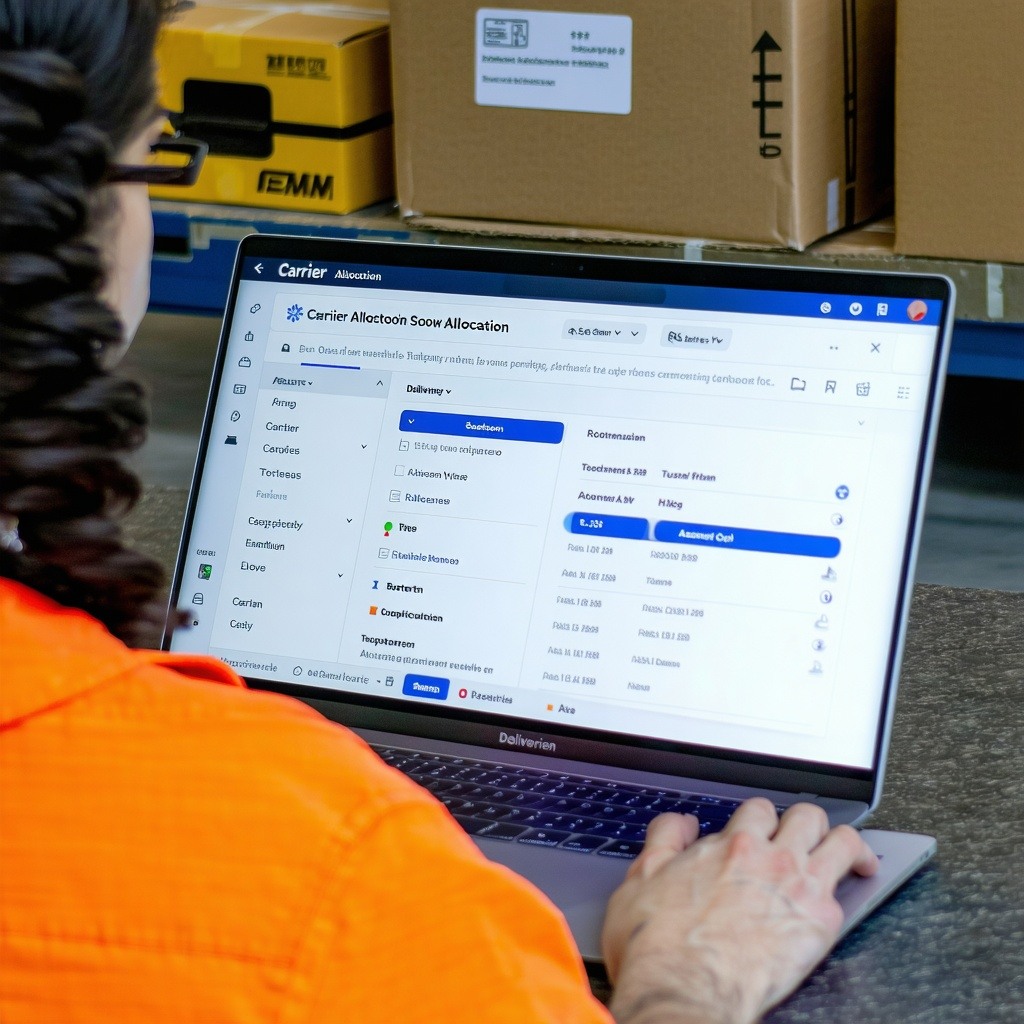
Automated label generation and shipment allocation.
-
Real-time updates and delivery speed optimization.
-
End-to-end analytics so you can get actionable insights across all deliveries.
ClickPost empowers businesses to save time, reduce shipping costs, and deliver exceptional post-purchase experiences. Book a free demo today and start shipping smarter.
Why Singapore Is a Must-Target Market for US eCommerce Brands in 2025
Singapore is not just another international destination. It is a strategic market with high digital maturity, consumer trust in American products, and an appetite for quality service. Businesses that invest in optimizing their eCommerce fulfillment experience can unlock significant value by serving this island nation efficiently. From fashion retailers and electronics exporters to small companies exploring new markets, shipping to Singapore can be the launchpad for greater success across Southeast Asia. Businesses shipping electronics internationally will find Singapore's high-income consumer base especially receptive.
So, think beyond borders. Shipping is not a backend task; it is a strategic lever. When executed right, it becomes a brand strength, a customer retention tool, and a path to profitability. Leveraging the right logistics management software ensures your Singapore shipping strategy scales efficiently as order volumes grow. As Singapore's market continues to grow, your logistics strategy will be the make-or-break factor. Do not just ship; ship smarter.
Frequently Asked Questions (FAQ's)
1. How long does it take to ship to Singapore from the USA?
Delivery time varies by courier and service. Express services like FedEx and UPS can deliver in 2-4 business days, while USPS and economy options may take 7-17 business days. Always consider transit times when choosing your courier.
2. What documents are needed to ship to Singapore?
Typically, you need a commercial invoice, packing list, customs declaration, and sometimes a customs permit depending on the nature of the goods. Make sure all paperwork is accurate to prevent customs delays.
3. How much will shipping cost to Singapore from the USA?
Shipping costs depend on the weight, dimensions, service level, and carrier. Rates can range from $25 for economy services to over $75 for express delivery. Use rate calculators for real-time estimates.
4. Can I track my shipment to Singapore?
Yes, all major couriers provide tracking numbers. You can use these to monitor delivery progress, stay informed about transit status, and alert customers of delays.
5. Can ClickPost help with shipping to Singapore?
Absolutely. ClickPost offers integrated logistics tools, supports multiple carriers, automates shipment allocation, and provides full tracking visibility, making cross-border shipping seamless for your business.
The Logistics Automation Platform for E-commerce





We use cookies to keep the site working, understand usage, and improve your experience. Learn more
Always active for essential site performance and security.
Enables anonymous usage analysis to refine our services.
Used to present relevant promotions and advertising.