and runs during HTML parse, but hubspotutk is set by js.hs-analytics.net, measured loading at ~834ms. On a first visit the cookie does not exist yet, so a single read returns nothing and the visitor gets no external ID at all — and a first visit is exactly what an ad click is. So poll briefly until HubSpot sets it. The SDK loads lazily (~4.5s) and replays a queue, so an init queued a second or two in still lands before any events are transmitted. */ (function attachExternalId() { var attempts = 0; var MAX_ATTEMPTS = 40; /* 40 x 200ms = 8s, then give up quietly */ var timer = null; function tryAttach() { var raw = getExternalId(); if (!raw) { if (++attempts >= MAX_ATTEMPTS && timer) clearInterval(timer); return; } if (timer) clearInterval(timer); sha256Hex(raw).then(function (hash) { oaiq("init", { user: { external_id_sha256: hash } }); }).catch(function () {}); } tryAttach(); /* returning visitor: immediate */ if (!getExternalId()) timer = setInterval(tryAttach, 200); })(); /* --------------------------------------------------------------------------- 2. Load the SDK off the critical path Whichever comes first: the main thread going idle after load, or the first sign of real user intent. No preconnect on purpose — a TLS handshake during LCP for a script we deliberately deferred is a net loss. Measured on clickpost.ai: load event 3614ms, SDK fetched 4508ms. ------------------------------------------------------------------------ */ var loaded = false; var INTENT = ["pointerdown", "keydown", "scroll"]; function loadSdk() { if (loaded) return; loaded = true; INTENT.forEach(function (t) { removeEventListener(t, loadSdk, { passive: true }); }); var s = document.createElement("script"); s.src = SDK; s.async = true; s.fetchPriority = "low"; document.head.appendChild(s); } INTENT.forEach(function (t) { addEventListener(t, loadSdk, { passive: true, once: true }); }); addEventListener("load", function () { window.requestIdleCallback ? requestIdleCallback(loadSdk, { timeout: 2500 }) : setTimeout(loadSdk, 1500); }, { once: true }); /* --------------------------------------------------------------------------- 3. Conversion id sha256(lowercase(email) + "|" + formId + "|" + ISO-hour), first 20 hex, "lead_" prefix. - email lowercased/trimmed so casing does not fork the id - formId keeps two different forms in the same hour from colliding - the hour bucket is only the server's fallback; the id computed here is sent to the relay verbatim, so the two paths cannot disagree even when a submit straddles an hour boundary Ads Manager's own sample omits event_id. We send it so the pixel event and the relay event collapse into one conversion instead of counting twice. ------------------------------------------------------------------------ */ function buildEventId(email, formId) { var seed = [ String(email || "").trim().toLowerCase(), String(formId || ""), new Date().toISOString().slice(0, 13) ].join("|"); return crypto.subtle.digest("SHA-256", new TextEncoder().encode(seed)).then(function (buf) { var hex = Array.prototype.map.call(new Uint8Array(buf), function (b) { return b.toString(16).padStart(2, "0"); }).join(""); return "lead_" + hex.slice(0, 20); }); } /* Guards a re-fire from the history.pushState that book-a-demo-core.js runs after submit, and from back-navigation onto the same state. */ function firedOnce(id) { try { if (sessionStorage.getItem("oaiq_" + id)) return true; sessionStorage.setItem("oaiq_" + id, "1"); return false; } catch (e) { return false; /* private mode / blocked storage: fire rather than lose it */ } } /* Path 2. keepalive lets the request finish even if the page navigates away. Failures are swallowed deliberately: a reporting call must never surface an error to someone who just submitted a form. The relay hashes the email server-side into user.emails_sha256 and adds the caller's IP and user agent, so this event carries the same match signals the pixel gets for free. */ function sendToRelay(email, formId, eventType, eventId) { try { var payload = { token: RELAY_TOKEN, email: email, form_id: formId || "", event_type: eventType, event_id: eventId, /* verbatim, so both paths always match */ source_url: location.href }; var oppref = getOppref(); if (oppref) payload.oppref = oppref; var externalId = getExternalId(); if (externalId) payload.external_id = externalId; fetch(RELAY_URL, { method: "POST", keepalive: true, headers: { "Content-Type": "application/json" }, body: JSON.stringify(payload) }).catch(function () {}); } catch (e) {} } /* Capture the email while the form is still on the page. onFormSubmitted does not reliably carry submissionValues, and by then the form may be removed. */ var lastEmail = ""; document.addEventListener("submit", function (e) { var f = e.target; if (!f || !f.querySelector) return; var i = f.querySelector('input[name="email"], input[type="email"]'); if (i && i.value) lastEmail = i.value; }, true); /* Every HubSpot form on the site reports through this one message event, so no module or theme JS needs editing to add coverage. */ window.addEventListener("message", function (e) { var d = e.data; if (!d || d.type !== "hsFormCallback" || d.eventName !== "onFormSubmitted") return; var email = (d.data && d.data.submissionValues && d.data.submissionValues.email) || lastEmail; if (!email) return; /* without an email there is no stable id to dedupe on */ var eventType = EVENT_BY_FORM[d.id] || EVENT_DEFAULT; buildEventId(email, d.id).then(function (id) { if (firedOnce(id)) return; oaiq("measure", eventType, { type: DATA_TYPE }, { event_id: id }); /* path 1 */ sendToRelay(email, d.id, eventType, id); /* path 2 */ }); }); })();

91ÊÓÆµ

See where your logistics stands on automation Start assessment

Home > Blog >

How to Optimize Logistics Operations with AI and Automation

How to Optimize Logistics Operations with AI and Automation

Khaleed Khan
By Khaleed Khan

Ready to ship smarter? Talk to our logistics experts.

Trusted by 600+ brands

In this blog

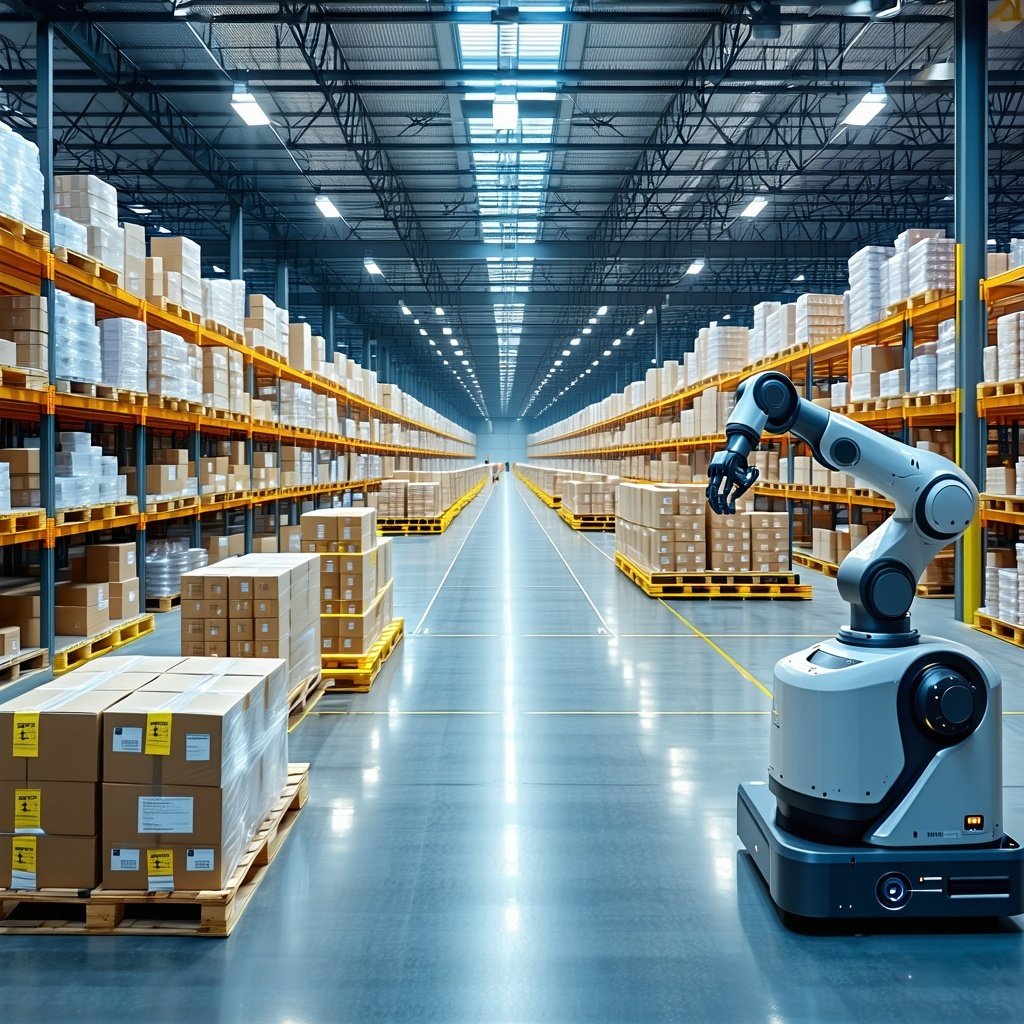
    Imagine you're playing Tetris: Instead of manually placing each block, they just fall into place perfectly, saving you time and effort. That's what AI and automation do for logistics—optimizing your operations in the background while you focus on other aspects of your business.

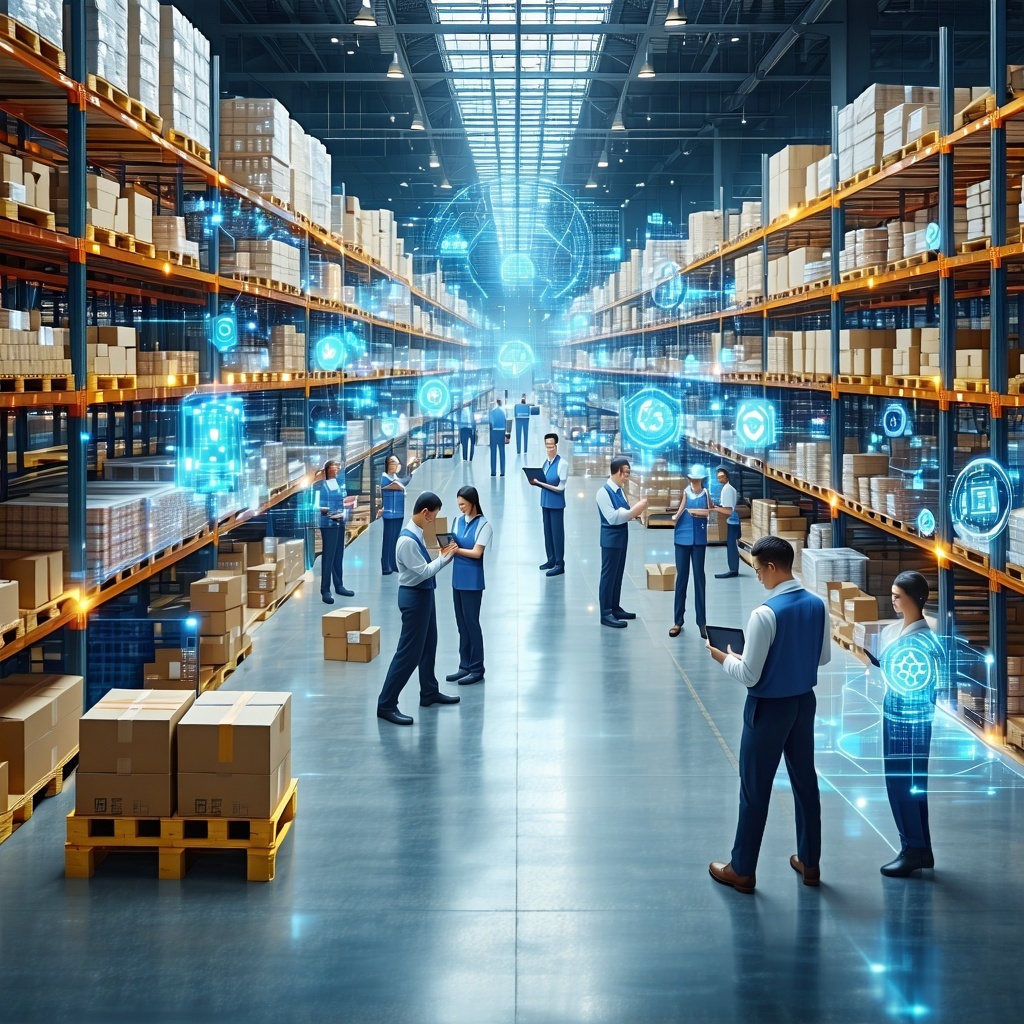
    AI-driven logistics is more than just a buzzword. It’s transforming outdated supply chain practices into sleek, efficient systems. From real-time route optimization to smart demand forecasting, AI can make your logistics operations run like a finely tuned machine. And trust me, you’ll want to get on board with this technology.

    In this guide, we’ll walk you through exactly how AI and automation are revolutionizing logistics and show you how to integrate these solutions into your supply chain.

    Key Highlights:
    • AI-Driven Route Optimization: AI enhances logistics by automatically optimizing delivery routes in real-time, reducing delays caused by traffic, weather, and unforeseen disruptions.
    • Automated Inventory Management: AI-powered systems provide real-time inventory visibility, enabling automated restocking and ensuring that businesses can meet customer demand without overstocking.
    • Improved Customer Experience: AI reduces WISMO calls by offering proactive and accurate delivery tracking updates, which improves customer satisfaction and reduces the strain on support teams.
    • Efficient Demand Forecasting: AI helps eCommerce brands with predictive demand forecasting, optimizing inventory levels and ensuring timely delivery while preventing stockouts.

    Real-Life Examples: How AI is Changing Logistics for E-Commerce

    Before diving into the mechanics, let’s look at some real-life examples of how AI and automation are helping eCommerce brands optimize their logistics. If you're not taking advantage of these tools, you might be missing out!

    1. Outsmarting Storms 

    A delivery truck leaves its warehouse or cross-docking station as per schedule. En route, the company’s shipping software uses route optimization to detect a dangerous weather disruption 10 miles away. 

    Within seconds, it also automatically suggests the best alternative route to the destination, enabling the driver to avoid delays, customer complaints, and any damage.

    2. The Warehouse That Restocks at 2AM 

    Ever wondered if a warehouse could restock on its own? That’s exactly how automation works for modern warehouses. With the help of AI, a WMS system can recognize stock patterns and judge whether the current stock will last for predicted demand. 

    If there are any shortages, the system can automatically place a restocking order, enabling online stores to ensure that they always have enough inventory to meet consumer demand. 

    3. The ETA That Updates Itself

    Instead of making customers guess and flood your support team with WISMO calls, they can get the latest ETA of their product every time they check the tracking page. AI can help you display accurate delivery estimates on product pages.

    What’s Happening Behind the Scenes?

    Ever wondered how AI makes all these logistics improvements happen? Let’s peel back the curtain and take a look.

    At its core, AI in logistics makes hundreds of micro-decisions every second. For example, when it comes to route optimization, AI isn’t just giving directions. It’s analyzing weather conditions, fuel mileage, traffic data, and driver schedules to choose the best route.

    This means AI optimizes logistics far more accurately and efficiently than any manual method ever could.

    The 4 Biggest Bottlenecks AI Fixes Instantly

    So, why do we have AI and automation in the first place? Weren’t e-commerce stores shipping before them as well? You’re right. E-commerce companies were delivering even before AI, but not without their share of problems. Below, we’ve listed the four biggest challenges automation and AI have solved in logistics:

    1. Manual Order Placing

    From human error to storing everything in a jumbled spreadsheet, manual order placing made e-commerce slower in initializing an order. The longer it took to register an order and generate a shipping label, the longer a customer would wait to get their product.  

    AI flips the script for this task. It lets online stores instantly manifest an order in their system and generate bulk shipping labels. This saves time for the entire team who can then focus on getting a product shipped as soon as possible. 

    2. Inventory Guesswork

    Real-time tracking
    doesn’t apply to a product in-transit alone. With AI, online merchants can keep track of their stored inventory live. This gives them an accurate number of the amount of goods they can still sell. 

    In fact, modern WMS platforms even support automated restocking. This means you can set up a workflow that places an order as soon as you drop below a certain inventory threshold. 

    3. Overwhelmed Support Teams (WISMO)

    Staying on the topic of tracking, AI systems can send your customers automated and personalized tracking notifications via multiple communication channels. These keep them in the loop at all times, reducing WISMO calls made. 

    Not only does this free up time for your support team, it also ensures they can focus on solving more dire customer issues at hand. Automated alerts also work for failed and delayed deliveries. 

    4. Routing Issues

    Even if a driver has decades of experience, they can’t always guess which road will have less/more traffic or how the weather may suddenly change. This is where AI systems use route optimization to suggest the quickest and safest route. 

    This can be configured to help drivers use efficient paths while maintaining order priorities and delivering first to those who opted for premium shipping. It’s kind of like Google Maps on steroids. 

    The Domino Effect: How One Optimization Transforms Your Supply Chain

    AI doesn’t just improve one part of the logistics process—it creates a domino effect across the entire supply chain. Once you optimize one aspect, like demand forecasting, the rest of the pieces naturally fall into place:


    • Suppliers can plan ahead.

    • Warehouse staff can handle inventory more efficiently.

    • Customers receive their orders on time, every time.

    By using AI to streamline each link in the supply chain, you can ensure consistent service and predictive logistics, meeting consumer demands without any hiccups. This is the true power of automation.

    Steps to Incorporate AI and Automation

    Now that you understand the value of AI and automation, here’s a quick guide on how to incorporate these tools into your existing logistics operations.

    Step 1: Start with Smart Tracking Tools

    Begin with real-time tracking tools to automate your shipment updates. You can integrate ClickPost’s tracking API with your existing stack to get started quickly and easily.

    Step 2: Automate Repetitive Tasks

    Once you’ve mastered tracking, automate other repetitive tasks like shipping label generation and returns initiation to improve efficiency and speed.

    Step 3: Plug AI for Demand Forecasting

    Leverage AI-driven demand forecasting tools to better predict inventory needs and improve stocking accuracy. This helps avoid overstocking and ensures timely order fulfillment.

    Final Words: Why You Need AI and Automation

    AI and automation aren’t just nice-to-haves—they’re essential for modern logistics. The brands that adopt these technologies will be the ones who stay ahead of the competition, improve their efficiency, and offer an exceptional customer experience.

    Ask yourself: How does your shipping process compare to competitors using AI and automation? If you’re ready to streamline your logistics operations, ClickPost can help you get started with AI-powered logistics optimization today.

    Book a demo now and see how we can improve your logistics operations.

    The Logistics Automation Platform for E-commerce

    Momentum Leader - G2 Users Most Likely To Recommend - G2 Best Results Mid-Market - G2
    . window.disableHubSpotCookieBanner = true; function killNative() { var n = document.getElementById("hs-eu-cookie-confirmation"); if (n && n.parentNode) { n.parentNode.removeChild(n); return true; } return false; } killNative(); if (window.MutationObserver) { var mo = new MutationObserver(function () { killNative(); }); mo.observe(document.documentElement, { childList: true, subtree: true }); setTimeout(function () { mo.disconnect(); }, 15000); } var COOKIE = "cp_cookie_consent"; var EU = ["at","be","bg","hr","cy","cz","dk","ee","fi","fr","de","gr","hu","ie","it","lv","lt","lu","mt","nl","pl","pt","ro","sk","si","es","se","gb","uk","is","li","no","ch"]; function readCookie(nm) { var m = document.cookie.match(new RegExp("(?:^|; )" + nm + "=([^;]*)")); return m ? decodeURIComponent(m[1]) : null; } function writeCookie(nm, val, days) { var d = new Date(); d.setTime(d.getTime() + (days * 864e5)); document.cookie = nm + "=" + encodeURIComponent(val) + ";expires=" + d.toUTCString() + ";path=/;SameSite=Lax" + (location.protocol === "https:" ? ";Secure" : ""); } function stored() { var raw = readCookie(COOKIE); if (!raw) return null; try { var o = JSON.parse(raw); if (typeof o.analytics === "boolean") return o; } catch (e) {} return null; } function apply(state, revoke) { window._hsp = window._hsp || []; window._hsp.push(["setHubSpotConsent", { analytics: !!state.analytics, advertisement: !!state.advertisement, functionality: !!state.functionality }]); if (revoke && !state.analytics && !state.advertisement && !state.functionality) { window._hsp.push(["revokeCookieConsent"]); } window.dataLayer = window.dataLayer || []; window.dataLayer.push({ event: "cp_cookie_consent", cp_consent_analytics: !!state.analytics, cp_consent_advertisement: !!state.advertisement, cp_consent_functionality: !!state.functionality }); document.documentElement.setAttribute("data-cp-consent", "set"); } function inScope(banner) { if (banner.getAttribute("data-scope") !== "eu_only") return true; var geo = (document.body.getAttribute("data-geo_location") || "").toLowerCase(); if (!geo) return true; return EU.indexOf(geo) !== -1; } function init(banner) { var days = parseInt(banner.getAttribute("data-days"), 10) || 180; var prefs = banner.querySelector("[data-cpcb-prefs]"); var compact = banner.querySelector('[data-cpcb-actions="compact"]'); var expanded = banner.querySelector('[data-cpcb-actions="expanded"]'); var toggles = banner.querySelectorAll("[data-cpcb-toggle]"); function show() { banner.hidden = false; requestAnimationFrame(function () { banner.classList.add("is-visible"); }); } function hide() { banner.classList.remove("is-visible"); setTimeout(function () { banner.hidden = true; }, 300); } function collapse() { if (!prefs) return; prefs.hidden = true; if (expanded) expanded.hidden = true; if (compact) compact.hidden = false; } function expand() { if (!prefs) return; prefs.hidden = false; if (compact) compact.hidden = true; if (expanded) expanded.hidden = false; } function paint(state) { Array.prototype.forEach.call(toggles, function (t) { var key = t.getAttribute("data-cpcb-toggle"); if (key === "necessary") { t.setAttribute("aria-checked", "true"); return; } t.setAttribute("aria-checked", state[key] ? "true" : "false"); }); } function fromToggles() { var state = { analytics: false, advertisement: false, functionality: false }; Array.prototype.forEach.call(toggles, function (t) { var key = t.getAttribute("data-cpcb-toggle"); if (key in state) state[key] = t.getAttribute("aria-checked") === "true"; }); return state; } function commit(state, revoke) { writeCookie(COOKIE, JSON.stringify({ analytics: !!state.analytics, advertisement: !!state.advertisement, functionality: !!state.functionality, v: 1, ts: Date.now() }), days); apply(state, revoke); hide(); } Array.prototype.forEach.call(toggles, function (t) { if (t.disabled) return; t.addEventListener("click", function () { t.setAttribute("aria-checked", t.getAttribute("aria-checked") === "true" ? "false" : "true"); }); }); banner.addEventListener("click", function (e) { if (!e.target || !e.target.closest) return; var btn = e.target.closest("[data-cpcb-action]"); if (!btn) return; var action = btn.getAttribute("data-cpcb-action"); if (action === "customise") { expand(); return; } if (action === "accept") { commit({ analytics: true, advertisement: true, functionality: true }, false); return; } if (action === "reject") { commit({ analytics: false, advertisement: false, functionality: false }, true); return; } if (action === "save") { commit(fromToggles(), true); return; } }); var existing = stored(); if (existing) { apply(existing, false); paint(existing); collapse(); } else if (!inScope(banner)) { // Out of the consent-required region: implied consent, banner never shown. commitSilently(); } else { collapse(); show(); } function commitSilently() { var all = { analytics: true, advertisement: true, functionality: true }; writeCookie(COOKIE, JSON.stringify({ analytics: true, advertisement: true, functionality: true, v: 1, ts: Date.now(), implied: true }), days); apply(all, false); } // Public re-open hook for a footer "Cookie settings" link. window.cpCookieBanner = window.cpCookieBanner || {}; window.cpCookieBanner.open = function () { var s = stored() || { analytics: false, advertisement: false, functionality: false }; paint(s); expand(); show(); }; } function boot() { var banners = document.querySelectorAll("[data-cpcb]"); if (!banners.length) return; init(banners[0]); document.addEventListener("click", function (e) { if (!e.target || !e.target.closest) return; var trigger = e.target.closest("[data-cp-cookie-settings]"); if (!trigger) return; e.preventDefault(); if (window.cpCookieBanner && window.cpCookieBanner.open) window.cpCookieBanner.open(); }); } if (document.readyState === "loading") { document.addEventListener("DOMContentLoaded", boot); } else { boot(); } })();